
Tammie Cox Blog
 RSS Feed
Subscribe and receive email notifications of new blog posts.
RSS Feed
EVENTS | 3 Posts
Inventory | 1 Posts
Lake Tahoe | 25 Posts
Luxury Real Estate | 19 Posts
Market Report | 1 Posts
Reno | 18 Posts
Uncategorized | 1 Posts
March
20
20
2026 Housing Market Forecast: Prices Stall 1-2%, Sales Rise 3-4%
The 2026 U.S. housing market is ushering in what many experts are calling the Great Housing Reset—a long-awaited shift after years of explosive price growth, frozen sales, and record-low inventory during the pandemic era. As of March 20, 2026, with spring buying season underway, the data points to a more balanced landscape: home prices are stalling or growing very modestly, sales are showing signs of a gradual rebound, and affordability is slowly improving as wages begin to outpace home price increases for the first time since the Great Recession.
This isn't a dramatic crash or boom—it's normalization. High mortgage rates (hovering around 6.2-6.3% for 30-year fixed as of mid-March) continue to temper demand, but easing pressures, rising inventory, and pent-up buyer interest are creating opportunities. Here's a breakdown of the latest forecasts from leading sources like Zillow, Redfin, NAR, Realtor.com, and others, and what they mean for buyers and sellers this year.

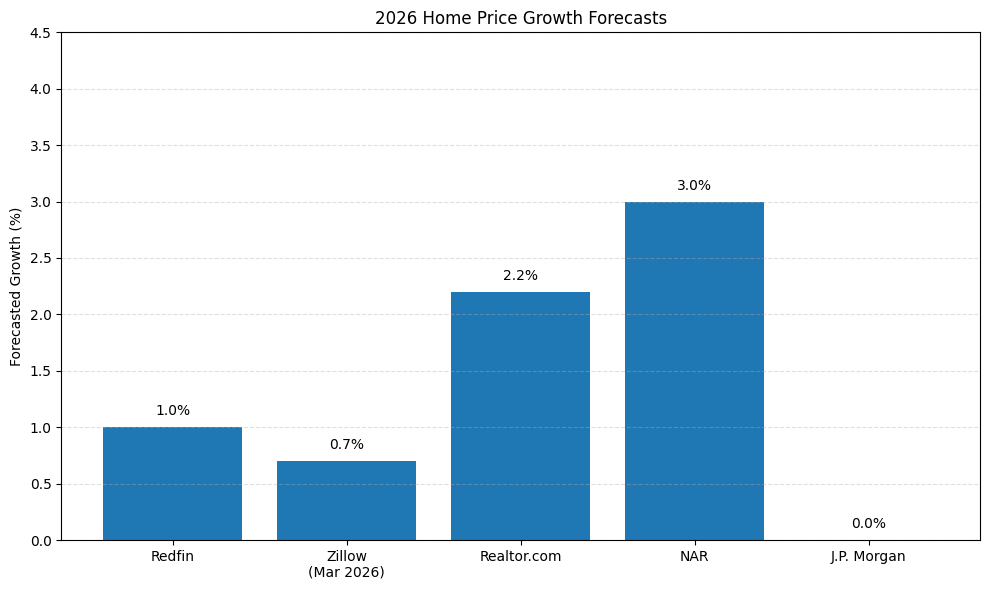
Home Prices: Stalling or Slight GrowthNational home price growth in 2026 is expected to be minimal—far from the double-digit surges of recent years. Consensus across major forecasters points to nominal increases in the 0-2% range, with some models showing flat or even slight real (inflation-adjusted) softening.Recent projections include:
- Redfin: ~1% year-over-year growth in median home-sale price, driven by high rates curbing demand and a weaker economy.
- Zillow (March 2026 update): +0.7% in home values by year-end, a slight downward revision reflecting stable supply-demand alignment.
- Realtor.com: +2.2% for existing-home median price appreciation.
- NAR (and some economists): ~2-4%, with many clustering around 2-3%.
- J.P. Morgan: 0% stall nationally, as improved demand offsets rising supply.
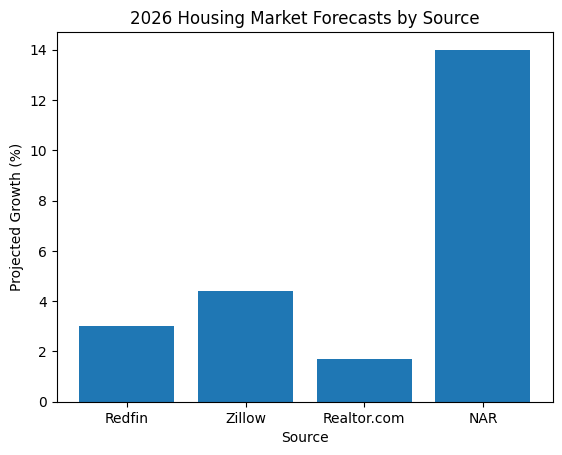
Home Sales: The Modest ReboundAfter hitting near 30-year lows in recent years, existing-home sales are forecasted to tick up modestly in 2026, unlocking some pent-up demand.Key full-year 2026 projections:
- Redfin: +3% to ~4.2 million annualized.
- Zillow (March revision): +4.4% to 4.24 million, up slightly from prior estimates as rates ease.
- Realtor.com: +1.7% to ~4.13 million.
- NAR: More optimistic at ~+14%, linked to rate relief, job stability, and pent-up moves.
Inventory & Other Key DriversInventory is the big story in early 2026. Active listings are up ~6-8% year-over-year nationally, with Realtor.com noting ~7.9% growth to around 915,000 homes by late February. Months of supply sits at ~3.8 (NAR February data)—edging toward balanced territory (4-6 months ideal for neutrality).New listings have turned positive in recent weeks, per Realtor.com, as more sellers accept current conditions. Other influences include the Fed's potential path (possible further easing), lingering job market softness, and builder efforts to clear stock.
Overall, supply is recovering, giving buyers more choices and negotiation leverage—especially in spring.

What It Means for YouBuyers: This spring could be one of the better windows in years. More inventory means fewer bidding wars, realistic pricing, and room to negotiate (rate buydowns, closing costs). Affordability is inching forward—act if you're ready, but patience pays in a stabilizing market.
Sellers: Prices aren't soaring, so price realistically, stage effectively, and highlight features that stand out. In balanced pockets, well-prepared homes still move quickly.
National trends set the stage, but local markets vary—[Your City] often moves to its own rhythm. Check back for our upcoming local inventory surge post to see how this plays out here.
Ready to navigate 2026? Contact me for a personalized market update, fresh comps, or a no-pressure chat about your next move. Let's make sense of this reset together!
What's Your Home Worth?
Check current market values for your home and view profiles of potential buyers.